Understanding the Basics of Mini Split AC Systems
In the world of climate control, the mini split ac system has gained popularity due to its efficiency and flexibility. As more homeowners recognize the necessity of temperate living spaces, the adoption of ductless air conditioning systems has surged. Mini split AC systems provide an innovative solution to heating and cooling individual rooms or zones, without the need for extensive ductwork. This guide will delve into the core components, advantages, and considerations for homeowners looking to enhance their comfort while optimizing energy consumption.
What is a Mini Split AC System?
A mini split AC system, often termed a ductless HVAC system, consists of two primary components: an outdoor unit and one or more indoor units. This design allows for significant flexibility in controlling indoor climates without the need for bulky ductwork. Each indoor unit can be independently controlled, allowing tailored comfort in various zones of your home. Whether you are looking to cool a single room or multiple areas simultaneously, mini split systems offer a versatile solution.
Components of a Mini Split System
Understanding the main components of a mini split AC system is crucial for homeowners considering this technology. Here are the key parts:
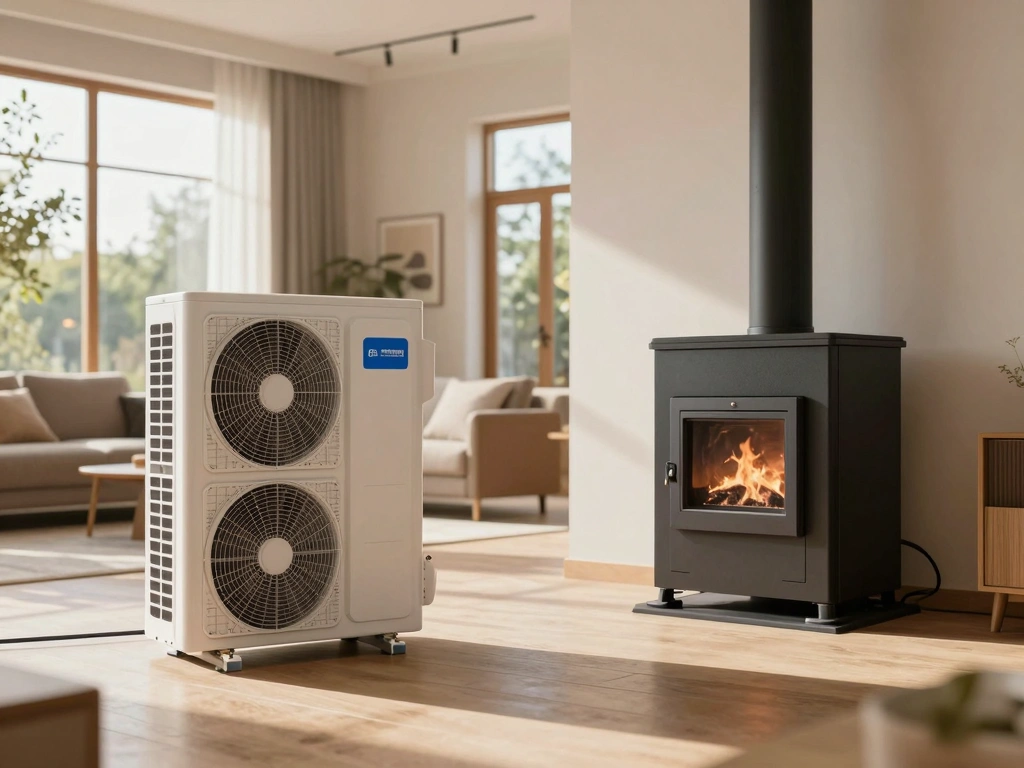
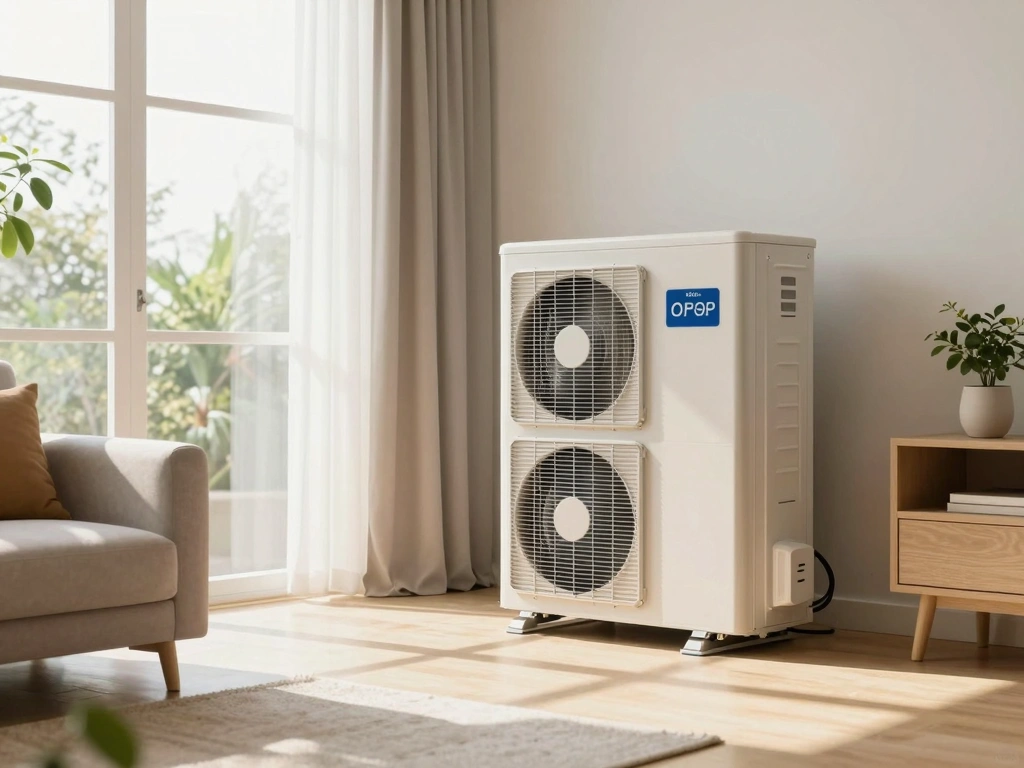
- Outdoor Unit: This houses the compressor and condenser. It removes heat from the refrigerant, allowing the system to cool the indoor spaces effectively.
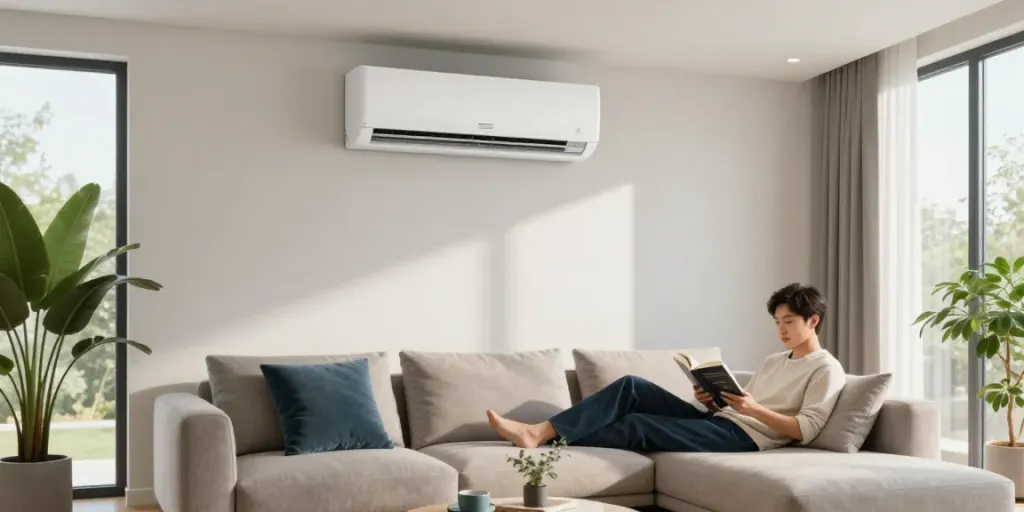
- Indoor Unit: Installed in each room, these units distribute cool air and can be mounted on walls, ceilings, or floors. They come in various styles, including wall-mounted, ceiling cassette, and floor-mounted designs.
- Refrigerant Lines: These insulated lines connect the indoor and outdoor units, allowing the refrigerant to flow and transfer heat.
- Thermostats and Controls: Most mini split systems come with wireless remote controls or smart technology, allowing for easy temperature adjustments and scheduling.
Benefits of Ductless Technology
Mini split AC systems provide several benefits that set them apart from traditional HVAC systems:
- Energy Efficiency: Mini splits typically have higher SEER ratings compared to conventional systems, translating to lower energy bills.
- Flexible Installation: With no ductwork required, these systems can be installed in spaces where traditional systems might be impractical.
- Individual Temperature Control: Each indoor unit can be controlled independently, allowing for personalized comfort in different areas of your home.
- Reduced Carbon Footprint: Many mini split systems use environmentally friendly refrigerants and advanced inverter technology, minimizing energy waste.
Installation Insights for Homeowners
Installing a mini split AC system is a significant investment. Proper installation is critical to ensure optimal performance and longevity of the system. Understanding the key factors can help in making an informed decision.
Choosing the Right Location for Installation
The positioning of both the indoor and outdoor units is vital for the system's efficiency. Consider the following when selecting locations:
- Indoor Units: Should be installed high on the wall or ceiling for optimal air distribution. Avoid placing them in corners where airflow may be obstructed.
- Outdoor Units: Ideally located on a level surface away from direct sunlight and strong winds. Ensure there is adequate clearance for airflow and service access.
The Importance of Professional Installation
While DIY installations are possible for some, hiring a professional ensures that the system is installed according to local codes and manufacturer specifications. Professionals can conduct accurate load calculations, ensuring the units are appropriately sized for your space.
Common Installation Mistakes to Avoid
When installing a mini split system, avoid these common pitfalls to ensure efficiency:
- Improper sizing of units, which can lead to inadequate cooling or heating.
- Neglecting airflow restrictions around outdoor units, which can affect performance.
- Failing to insulate refrigerant lines, leading to energy loss.
Cost Analysis: Budgeting for Your Mini Split AC
The upfront costs of a mini split AC system can vary widely based on factors such as brand, capacity, and installation complexity. Understanding these costs is crucial for budgeting effectively.
Typical Costs of Installing a Mini Split System
On average, the installation of a mini split AC system can range from $2,000 to $5,000 per zone. This price includes the cost of the unit and labor. Additional factors influencing costs include:
- Number of indoor units required
- Type of installation (e.g., wall-mounted vs. ceiling-mounted)
- Location of the home and accessibility of installation sites
Long-Term Savings with Energy Efficiency
While the initial investment might seem steep, mini split systems often lead to substantial savings on energy bills, especially in the long run. Energy-efficient models typically have lower operational costs compared to conventional HVAC systems, making them financially attractive over time.
Understanding Financing Options
Many homeowners opt for financing options to manage the initial costs of installation. Various programs include:
- Promotional Financing: Many HVAC suppliers offer financing plans with attractive terms.
- Energy Efficiency Incentives: Look for local utility rebates or federal tax credits aimed at promoting energy-efficient upgrades.
Maintenance Tips for Longevity
Like any HVAC equipment, mini split systems require regular maintenance to ensure optimal performance and longevity. Following a few key practices can help maintain efficiency and prevent costly repairs.
Essential Maintenance Tasks for Homeowners
To keep your mini split AC system running smoothly, adhere to the following maintenance tasks:
- Regularly clean or replace filters: This should be done monthly or as needed to maintain airflow and efficiency.
- Inspect the outdoor unit: Ensure it's free from debris, such as leaves and dirt, which can obstruct airflow.
- Schedule annual professional check-ups: A certified technician can perform a comprehensive inspection, identifying potential issues before they become major problems.
Signs Your Mini Split Needs Professional Help
Be vigilant for signs that may indicate your mini split system requires professional attention:
- Inconsistent temperatures across different rooms
- Unusual noises from indoor or outdoor units
- Increased energy bills without a change in usage
Seasonal Preparation Techniques
Preparing your mini split system for seasonal changes enhances efficiency:
- Before summer, clean the outdoor unit and ensure refrigerant levels are adequate.
- Before winter, check the insulation of the refrigerant lines and consider a protective cover for the outdoor unit.
Future Trends in Mini Split Technology
The mini split market continues to evolve with advancements aimed at improving energy efficiency and user convenience. Here are some trends to watch in 2026 and beyond:
Innovations in Energy Efficiency for 2026
Manufacturers are increasingly developing models that incorporate smart technology and improved compressor designs. New refrigerants with lower global warming potential are also being introduced, aligning with environmental sustainability goals.
Smart Home Integration with Mini Split Systems
As smart home technology becomes more prevalent, many mini split units are now compatible with home automation systems. This integration allows homeowners to remotely control their climate settings for enhanced convenience and energy management.
Emerging Brands and Technologies to Watch
Keep an eye on emerging brands that are breaking into the mini split market, offering innovative features such as multi-zone capabilities and advanced filtration systems. Brands that prioritize eco-friendly designs and energy efficiency are likely to gain traction in upcoming years.