The Fundamentals of AI Data Centers
As artificial intelligence (AI) continues to revolutionize industries, the underlying infrastructure, particularly AI data centers, is becoming increasingly vital. These specialized facilities are designed not just to handle general data processing but to support the complex computational demands of AI workloads. This article delves into the intricacies of AI data centers, their components, costs, and the future of this essential infrastructure.
When exploring options, AI data center solutions provide comprehensive insights into how energy usage and computational power interplay to support AI application deployment.
What is an AI Data Center?
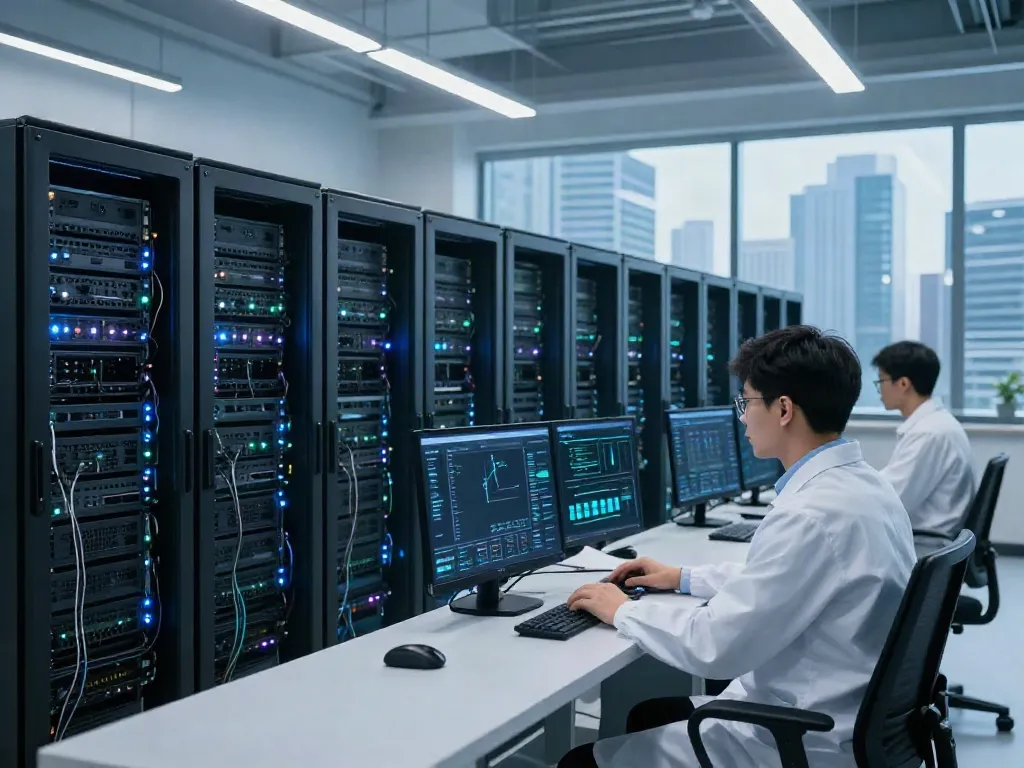
An AI data center is a facility that houses the necessary IT infrastructure to train, deploy, and deliver AI applications and services. Unlike traditional data centers, which primarily focus on hosting websites or managing databases, AI data centers emphasize high-performance computing capabilities needed for machine learning and deep learning tasks. This involves a lot of GPU (Graphics Processing Unit) resources, as these components are essential for processing the vast amounts of data that modern AI applications demand.
Key Components of AI Infrastructure
AI infrastructure is not merely about computing power; it combines several components that work seamlessly together to deliver high-quality AI services:
- High-Performance Hardware: This includes GPUs, TPUs (Tensor Processing Units), and a robust networking framework that supports high throughput and low latency.
- Data Storage Solutions: Efficient storage systems capable of managing and processing large datasets are critical. This could be in the form of SSDs (Solid State Drives), HDDs (Hard Disk Drives), or cloud-based storage solutions.
- Energy Management Systems: As AI models require significant power, effective management of electricity supply is crucial to ensure that operations remain efficient and cost-effective.
- Cooling Systems: To prevent overheating, advanced cooling systems must be in place, especially considering the high density of GPU computing required for AI tasks.
The Role of Power Supply in AI Operations
Power supply is a backbone element in AI operations. Without a consistent and reliable energy source, the performance of AI infrastructures can be severely compromised. AI models, especially during training phases, can consume substantial amounts of electricity, necessitating efficient power strategies that minimize costs while maximizing performance.
Cost Breakdown of AI Data Centers
Building and operating an AI data center involves significant investments. Understanding the cost breakdown can help stakeholders make informed decisions regarding their AI infrastructure.
Initial Setup Costs Explained
The initial setup costs for an AI data center can vary widely based on scale and technology choices. Major expenses include:
- Hardware Acquisition: This includes purchasing servers equipped with high-performance GPUs and TPUs, along with necessary networking gear.
- Facility Construction and Maintenance: The physical space where the data center resides must accommodate cooling systems and power infrastructure.
- Software Licensing: Tools for AI model development, such as machine learning frameworks, require appropriate licenses, contributing to upfront costs.
Ongoing Operational Expenses
Once established, operational expenses become a focus. These can include:
- Energy Costs: Operating costs for AI data centers are heavily influenced by electricity rates, which can fluctuate based on regional supply and demand.
- Staffing Costs: Skilled personnel are needed to maintain and optimize AI infrastructures, which can lead to significant payroll expenses.
- Maintenance and Upgrades: Regular upgrades to hardware and software are essential to keep pace with technological advancements in AI.
Comparative Analysis: Traditional vs AI Data Centers
When comparing traditional data centers with AI data centers, several key differences emerge:
- Workload Focus: Traditional centers handle general data processing, while AI centers are optimized for high-density GPU workloads.
- Infrastructure Needs: AI data centers require more intricate cooling and energy management systems due to increased power consumption.
- Technological Investments: AI data centers often require more significant upfront investments in hardware to support complex AI workloads.
Funding and Investing in AI Data Centers
With the growing importance of AI data centers, there is a corresponding interest in funding and investing in this sector. Understanding the sources of investment and associated risks is crucial for stakeholders.
Sources of Investment for AI Infrastructure
AI infrastructure can be financed through various sources, including:
- Venture Capital: Many start-ups in the AI sector attract venture capital funding, which can help them scale their data center operations.
- Corporate Funding: Established companies often invest in AI infrastructure developments to enhance their technological capabilities.
- Government Grants: Some governments provide funding opportunities to foster innovation and support the growth of AI technologies.
Evaluating Financial Risks and Rewards
Investment in AI data centers carries both risks and rewards. Stakeholders need to assess:
- Market Viability: Determining whether the demand for AI services will justify the initial and ongoing costs.
- Technological Advancements: Keeping pace with new technologies and ensuring that the infrastructure does not become obsolete.
- Regulatory Factors: Understanding how regulations may impact operational costs and funding opportunities.
Impact of Market Trends on Costs
Market trends play a vital role in shaping the costs associated with AI data centers. For instance:
- Energy Prices: Fluctuating energy prices can significantly impact operational costs.
- Technological Evolution: As newer, more efficient technologies emerge, costs may vary based on competitive adoption.
- Global Demand for AI: Increased demand for AI applications can drive investment and operational costs up.
Best Practices for Cost Management
With the substantial costs associated with AI data centers, implementing effective cost management practices is essential for sustainability and profitability.
Optimizing Power Usage Effectiveness (PUE)
Power Usage Effectiveness (PUE) is a critical metric for data centers, indicating how efficiently a facility uses energy. Lowering PUE is often an essential focus for operators seeking to manage costs effectively. By optimizing cooling systems and energy consumption, facilities can reduce waste and improve efficiency.
Implementing Efficient Cooling Systems
Cooling systems are vital in preventing equipment overheating, which can lead to increased operational costs. By investing in advanced cooling technologies, such as liquid cooling or AI-driven cooling systems, data centers can enhance efficiency and reduce energy consumption.
Utilizing Cloud Resources and Hybrid Models
Many organizations are exploring cloud resources and hybrid models to optimize costs. This approach allows for flexible scaling of resources according to demand, potentially minimizing the need for substantial initial investments in hardware.
Future Trends in AI Data Centers
The future of AI data centers is shaped by emerging technologies and evolving market demands. Understanding these trends can help businesses position themselves strategically.
Emerging Technologies Shaping the Landscape
Several technologies are poised to influence the development of AI data centers, including:
- Quantum Computing: Though still in its infancy, quantum computing may soon reshuffle the AI landscape by providing unprecedented computational power.
- Edge Computing: With the rise of IoT devices, edge computing facilitates data processing closer to the source, potentially reducing strain on centralized data centers.
- AI-Driven Infrastructure Management: AI can optimize data center operations, from predicting maintenance needs to dynamically adjusting power consumption.
Predicted Changes in Costs by 2026
As the market continues to evolve, costs associated with AI data centers are expected to fluctuate. Key predictions include:
- Reduced Hardware Costs: Advances in manufacturing and technology may lower the costs of high-performance GPUs and server components.
- Increased Energy Costs: Supply chain issues and regulatory changes could lead to higher energy costs in the coming years.
- Investment in Sustainability: Companies may allocate more resources to sustainable practices, potentially increasing initial costs but resulting in long-term savings.
Strategies for Staying Competitive in the AI Sector
To maintain competitiveness, businesses need to focus on innovation and efficiency:
- Investing in R&D: Continuous research and development can help companies stay ahead in a rapidly changing technological landscape.
- Adopting Agile Practices: Flexible operational strategies will allow businesses to adapt to market changes quickly.
- Building Strategic Partnerships: Collaborations with technology providers can enhance capabilities and reduce costs.
What is the role of sustainability in AI data centers?
Sustainability plays an increasingly important role in the development and operation of AI data centers. With growing concerns about climate change, ensuring that these facilities operate efficiently and responsibly is critical. Implementing renewable energy sources, optimizing power usage, and minimizing waste are all areas where sustainability is making a tangible impact.
How can businesses measure the effectiveness of their AI data centers?
Measuring the effectiveness of AI data centers entails evaluating a range of performance metrics, including:
- Power Usage Effectiveness (PUE): A lower PUE denotes more efficient use of energy.
- Cost per Transaction: This metric helps evaluate the economic efficiency of the operations.
- Compute Utilization Rates: Monitoring how effectively resources are being used is essential for optimizing investments.
What are potential future challenges for AI data centers?
As the AI landscape evolves, data centers will face several challenges:
- Regulatory Pressures: New regulations on energy consumption and data privacy could impose additional constraints on operations.
- Infrastructure Scalability: Meeting the growing demand for AI services will require continuous investment in infrastructure.
- Workforce Shortages: The specialized skill sets required for managing AI data centers may be in short supply, impacting operational effectiveness.
How do AI data centers differ from traditional data centers?
While both types of data centers serve essential functions, the focus and design of AI data centers set them apart.
- Performance Requirements: AI data centers are equipped for massive parallel processing, unlike traditional centers which handle diverse workloads.
- Infrastructure Design: AI centers require enhanced power and cooling solutions, reflecting their specific operational needs.
- Data Handling: AI data centers must manage and process vast amounts of unstructured data, unlike traditional centers that typically manage structured datasets.
What skills are needed to work in an AI data center?
As the demand for AI data centers grows, so does the need for a skilled workforce. Key skills required include:
- Technical Skills: Proficiency in systems architecture, network management, and cloud technologies are essential.
- Data Science Knowledge: Understanding AI algorithms and machine learning principles is crucial for optimizing operations.
- Project Management: Strong project management abilities can help ensure timely deployment and maintenance of data center operations.