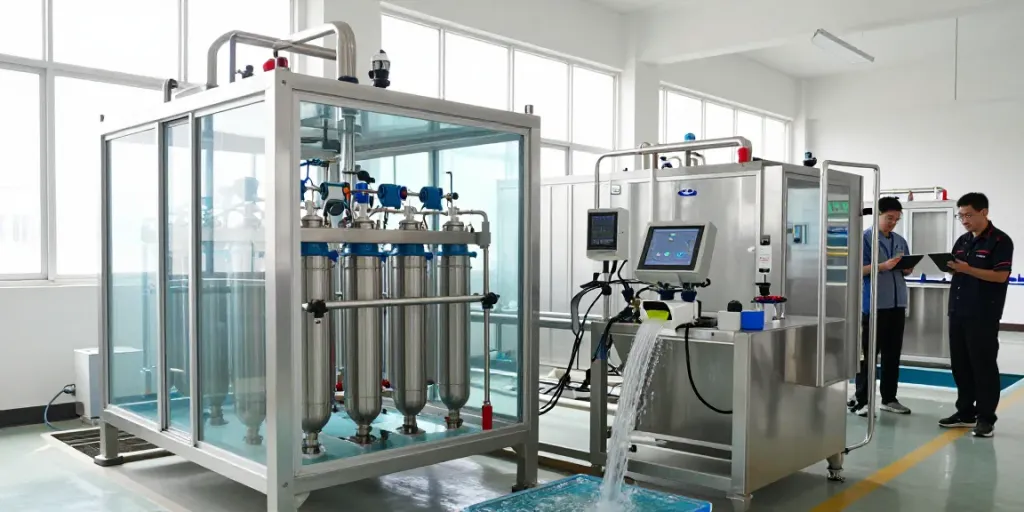
Understanding Custom Water Treatment Equipment
In an era where water quality is paramount to health, industries are increasingly turning to Custom Water Treatment Equipment to meet their unique needs. This equipment is tailored specifically for various applications, ensuring compliance with environmental regulations and delivering optimal performance. This article delves into what constitutes custom water treatment systems, their key components, associated benefits in environmental protection, and their significant role in industries worldwide.
What is Custom Water Treatment Equipment?
Custom Water Treatment Equipment refers to systems designed to meet the specific requirements of diverse water treatment scenarios. Unlike standard solutions, custom systems are engineered based on factors such as water source quality, desired output, and regulatory standards. This tailoring process ensures that businesses can achieve optimal water quality while adhering to environmental regulations.
Key Components of Water Treatment Systems
Water treatment systems typically consist of various components that work in unison to deliver purified water. Key components include:
- Filtration Units: These remove particulate contaminants from water.
- Pumps: Essential for moving water through the treatment system.
- Chemical Dosing Systems: Introduce necessary chemicals for water treatment.
- Membrane Elements: Used in processes like reverse osmosis for removing dissolved solids.
- Control Systems: Automated systems for monitoring and managing the treatment process.
Benefits of Custom Solutions in Environmental Protection
Custom water treatment systems provide numerous advantages, particularly in environmental protection, including:
- Enhanced Efficiency: Tailored solutions can significantly reduce waste and energy consumption.
- Regulatory Compliance: Customized systems ensure adherence to local, national, and international environmental standards.
- Improved Water Quality: These systems can target specific contaminants, resulting in cleaner, safer water.
- Cost-Effectiveness: While initial costs may be higher, long-term savings are achieved through reduced maintenance and operational costs.
Applications of Custom Water Treatment Systems
Custom water treatment systems are utilized across multiple industries, demonstrating their versatility and effectiveness in various environments.
Industries Utilizing Water Treatment Equipment
Several sectors rely on tailored water treatment solutions, including:
- Chemical Industry: Involves treating process water to prevent contamination.
- Food and Beverage: Requires stringent quality controls to ensure safety and compliance.
- Textile Manufacturing: Water treatment is essential for dyeing processes and waste management.
- Power Generation: Cooling systems in power plants demand high-quality water.
- Municipal Water Supply: Cities employ these systems to ensure safe drinking water for their populations.
Case Studies in Custom Water Treatment Success
Explore successful implementations of custom water treatment systems:
- A Chemical Manufacturing Facility: Implemented a custom treatment system to recycle process water, achieving 30% cost savings and reducing wastewater by 40%.
- A Food Processing Plant: Developed a tailored filtration system that improved product quality while allowing for 20% reduction in water usage.
- A Textile Mill: Customized a treatment solution that met strict environmental standards while enhancing operational efficiency.
Emerging Applications and Innovations
The field of water treatment is rapidly evolving, with innovations enhancing the capabilities of custom systems:
- Advanced Filtration Technologies: Developments such as nanofiltration and ultrafiltration are becoming more prevalent.
- Smart Monitoring Systems: IoT-enabled devices provide real-time data to optimize treatment processes.
- Sustainable Practices: Integration of eco-friendly materials and renewable energy sources into equipment design.
Choosing the Right Water Treatment Equipment Manufacturer
Selecting a water treatment equipment supplier is a critical process that can influence your operational efficiency and compliance. This section outlines key considerations when evaluating potential manufacturers.
What to Look for in a Supplier
When searching for a reliable water treatment equipment supplier, consider the following:
- Experience and Expertise: Look for manufacturers with a proven track record in your specific industry.
- Customization Capabilities: Ensure the supplier can deliver equipment tailored to your unique needs.
- Technological Advancements: Evaluate the integration of innovative technology in their offerings.
- Post-Sale Support: Strong after-sales service is crucial for the maintenance and efficiency of your systems.
Evaluating Manufacturer Capabilities
Assess potential manufacturers by examining the following:
- Facility Visits: If possible, visit production facilities to assess their capabilities and quality control processes.
- Client Testimonials: Seek feedback from previous clients to understand their experiences and service quality.
- Certifications: Check for industry certifications that assure compliance and quality standards.
Common Misconceptions About Custom Equipment
Many misconceptions exist surrounding custom water treatment solutions, but addressing these can help clarify their value:
- High Costs: While initial investments may appear daunting, the long-term savings often outweigh the costs.
- Complexity: Custom systems can be designed to simplify operations, not complicate them.
- Limited Applications: On the contrary, custom solutions can cater to a wide array of needs across multiple industries.
Best Practices for Implementing Water Treatment Systems
Successful integration of custom water treatment systems requires strategic planning and execution. This section provides actionable steps for effective implementation.
Steps for Successful Equipment Integration
To ensure a smooth integration of water treatment equipment, follow these best practices:
- Conduct a Needs Assessment: Analyze specific water quality requirements and regulatory obligations.
- Plan for Integration: Develop a comprehensive implementation plan that includes timelines and resource allocation.
- Train Your Staff: Ensure that operators are well-trained in managing and maintaining the new system.
- Test and Validate: Conduct thorough testing to confirm system performance meets desired specifications before full-scale operation.
Maintenance and Performance Monitoring Strategies
Regular maintenance is crucial for the longevity and efficiency of water treatment systems. Consider the following strategies:
- Scheduled Inspections: Regularly scheduled maintenance checks can prevent unforeseen breakdowns.
- Real-Time Monitoring: Utilize advanced monitoring systems for immediate detection of anomalies.
- Document Performance Data: Keep detailed records of system performance to identify trends and areas for improvement.
Environmental Regulations and Compliance Considerations
Understanding and adhering to environmental regulations is critical when implementing water treatment systems:
- Stay Informed: Regularly update knowledge on local and global water regulations.
- Compliance Audits: Conduct audits to ensure that your systems remain compliant with evolving standards.
- Engage with Regulatory Bodies: Maintain open communication with relevant authorities to remain abreast of changes that may affect operations.
Future Trends in Water Treatment Technology
The future of water treatment technology is filled with exciting innovations that promise to improve efficiencies and sustainability. Understanding these trends is essential for manufacturers and businesses alike.
Predicting the Next Big Innovations for 2026
Looking towards 2026, key innovations that are likely to shape the water treatment landscape include:
- Artificial Intelligence: AI-driven analytics for optimizing water treatment processes and predictive maintenance.
- Decentralized Treatment Systems: Increased focus on localized systems that reduce transportation costs and enhance efficiency.
- Biological Treatment Methods: Innovations in biodegradable systems to treat wastewater effectively while minimizing environmental impact.
Impact of Technology on Water Treatment Efficiency
Technology continues to play a transformative role in enhancing the efficiency of water treatment systems:
- Automation: Increased automation leads to perfecting dosing precision and minimizing human error.
- Smart Water Networks: Enhanced connectivity allows for real-time data sharing and system optimization.
- Energy Recovery Systems: Innovations in energy recovery techniques can significantly lower operational costs.
Sustainability Trends and Their Influence on Equipment Design
As sustainability becomes a priority, water treatment equipment design is increasingly focusing on green practices:
- Use of Sustainable Materials: Manufacturers are shifting towards the use of eco-friendly and recyclable materials.
- Energy Efficiency: Systems are being designed with enhanced energy recovery mechanisms to reduce their carbon footprint.
- Water Reuse Systems: Development of systems that facilitate the reuse of treated water in non-potable applications.