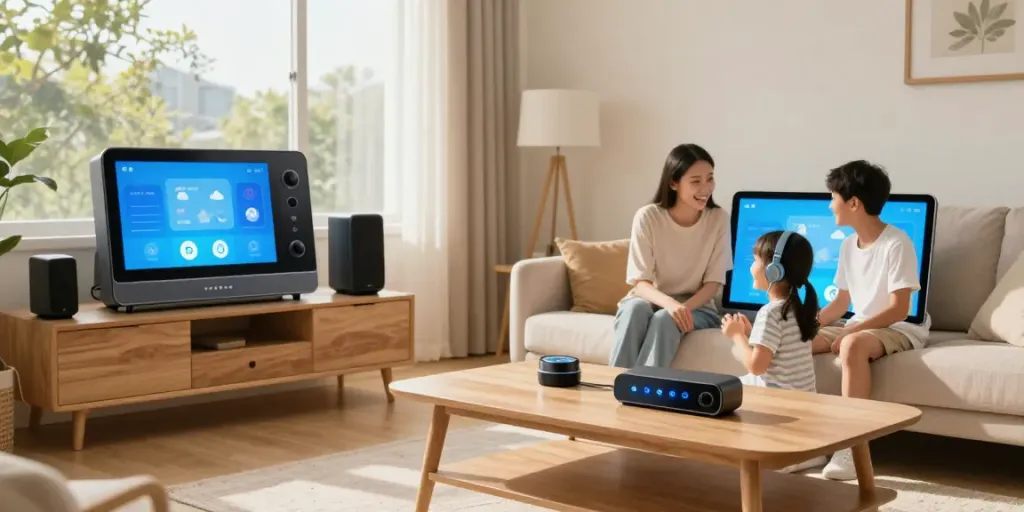
Understanding Smart Home Technology and Its Benefits
Smart home technology has revolutionized the way we interact with our living spaces. With just a few taps on your smartphone, you can control various aspects of your home, from security systems to audio devices. This technological advancement not only enhances convenience but also significantly increases energy efficiency and security. For those looking to embrace smart living, جهان اسمارت offers a comprehensive range of innovative solutions to elevate your home's intelligence.
What is Smart Home Technology?
Smart home technology refers to a suite of devices and systems that connect to the internet, allowing homeowners to manage and monitor their home environment remotely. This can include lighting, climate control, security systems, and entertainment devices. Through the use of smartphones, tablets, or voice-activated assistants, users can command these devices, creating a seamless and efficient living experience that adapts to their lifestyle.
Core Benefits of Smart Home Systems
- Enhanced Security: Smart locks, cameras, and sensors provide real-time surveillance and automated alerts, ensuring your home is secure.
- Energy Efficiency: Automated systems can optimize energy use, reducing utility bills and environmental impact.
- Convenience: Control your home’s lighting, temperature, and security systems from anywhere, enhancing daily comfort.
- Customization: Tailor your smart home systems to fit your unique lifestyle and preferences.
How Smart Audio Systems Enhance Your Living Experience
Smart audio systems bring a new level of immersion to home entertainment. With the capability to integrate with other smart home devices, these systems allow for multi-room audio control, voice activation, and even personalized playlists based on your mood or activity. The ability to control your audio environment from your smartphone or through smart speakers enhances the overall experience, making it an essential part of contemporary smart living.
Key Components of a Smart Home System
Overview of Smart Locks and Security Solutions
Security is a primary concern for homeowners, and smart locks offer advanced solutions for modern safety. These locks allow you to monitor who enters and exits your home, provide temporary access codes for guests, and can often be controlled remotely via smartphone. Many systems also feature integration with video cameras to enhance the security layer even further.
Smart Lighting and Environmental Controls
Smart lighting systems provide more than just illumination. They can be programmed to adjust automatically based on the time of day, occupancy of the room, or even your mood. Coupled with environmental controls like smart thermostats, these systems can work together to optimize comfort and energy use.
Integrating Smart Audio Systems into Your Home
Incorporating smart audio systems into your smart home setup transforms not just how you listen to music, but how you engage with your home overall. With products ranging from ceiling speakers to portable smart devices, the integration of audio can bring a personalized touch to every room.
Challenges in Smart Home Implementation
Common Misconceptions About Smart Home Technology
Despite the advantages, there are myths surrounding smart home technology that may deter potential users. Common misconceptions include the belief that smart homes are complicated to set up, excessively expensive, or only for tech-savvy individuals. In reality, many systems are designed for user-friendliness and can fit various budgets.
Technical Barriers and Solutions
Some consumers may face technical challenges when integrating smart home devices into existing infrastructure. Compatibility issues can arise, but many manufacturers are aware of this and offer solutions ranging from hub systems to software updates that ensure smooth integration.
Cost Considerations and Budgeting for Smart Homes
Investing in smart home technology can seem daunting due to initial costs, but it’s essential to view it as a long-term investment. Many smart devices pay for themselves over time through energy savings and improved home management. Consumers should carefully assess their needs and prioritize investments to maximize return on investment.
Best Practices for Smart Home Integration
Step-by-Step Guide to Setting Up Your Smart Home
Setting up a smart home can be approached methodically. Start with defining your goals—whether it’s security, convenience, or energy savings. Next, select compatible devices that communicate effectively with each other, and consider using a central hub for seamless integration.
Ensuring Compatibility Between Devices
Before purchasing smart home devices, it’s crucial to verify that they are compatible with one another. Consider ecosystems like Google Home, Amazon Alexa, or Apple HomeKit, which can connect different devices, whether they are from the same brand or across multiple brands.
Utilizing Automation for Enhanced Convenience
One of the most significant benefits of smart home technology is automation. Set up routines or schedules that automatically adjust settings based on your preferences, such as dimming lights in the evening or adjusting thermostats when you leave your home, enhancing your comfort and minimizing energy waste.
Future Trends in Smart Home Technology for 2026
Emerging Technologies to Watch
As we look forward to 2026, several emerging technologies are expected to shape the future of smart homes. Innovations in AI, machine learning, and IoT (Internet of Things) will enable smarter, more adaptive systems that can anticipate user needs and further enhance home management.
Predicted Developments in Smart Security Systems
Future smart security systems will likely incorporate advanced biometric authentication, AI-powered surveillance analytics, and more cohesive integration with local law enforcement. These developments will provide homeowners with unparalleled peace of mind, knowing their homes are protected by the latest technology.
The Role of AI in Future Smart Homes
AI will become central to the smart home experience, enabling devices to learn from user behavior and preferences. This will lead to predictive adjustments in energy consumption, home security, and even health monitoring, creating a truly intelligent home environment.
What Are the Benefits of Implementing Smart Home Technology?
The advantages of smart home technology are manifold. From increased control over home environments to enhanced security and convenience, the implementation of smart technologies offers significant improvements to quality of life. Moreover, the potential for energy savings leads to a positive environmental impact.
How to Choose the Right Smart Home Provider?
When selecting a smart home provider, consider their reputation, customer service, and the range of products offered. Look for providers that offer comprehensive support and a full suite of products to ensure a cohesive smart home experience.
What are the Most Common Smart Home Devices?
Common smart home devices include smart speakers, security cameras, smart locks, and programmable thermostats. These devices form the backbone of most smart home setups and can significantly enhance the functionality of your living space.
Can Smart Technology Improve Home Security?
Absolutely. Smart technology enhances home security through real-time monitoring, remote access, and automated alerts. Features like smart locks and security cameras allow homeowners to secure their property with ease and ensure they are less vulnerable to intrusions.
How to Manage Multiple Smart Devices Seamlessly?
Managing multiple smart devices can be simplified through the use of smart home hubs that integrate various devices under one interface. Additionally, organizing devices into groups based on their function or location within the home can enhance control and usability.
What is the Environmental Impact of Smart Homes?
Smart homes have the potential to significantly reduce energy consumption, resulting in a positive environmental impact. By optimizing energy use through automated systems, smart homes can decrease carbon footprints while maintaining comfort for residents.